Hemlock Removal in Philadelphia, PA
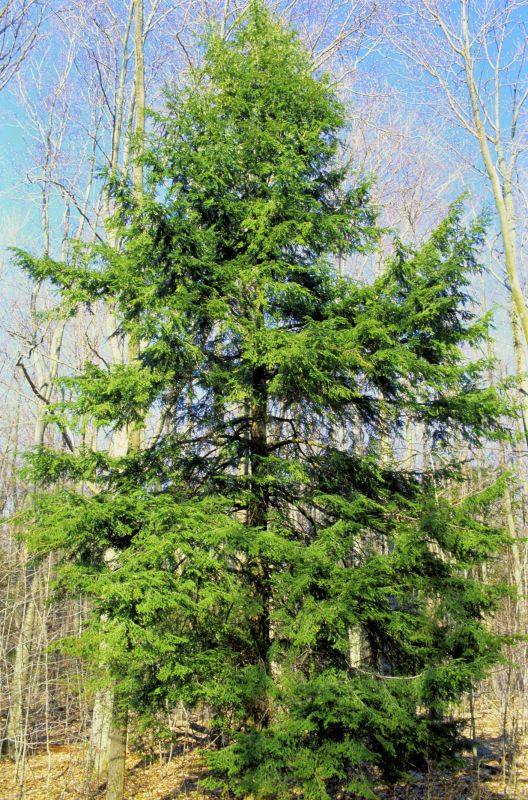
Hemlock removal services involve the careful elimination of hemlock trees that may pose risks to property, safety, or landscape aesthetics. These services typically cover projects such as removing hazardous or overgrown hemlocks, clearing space for new landscaping, or managing tree health concerns. Property owners interested in this service should understand the importance of proper removal techniques to prevent damage to surrounding plants or structures, as well as the potential need for stump grinding or disposal of debris after the trees are taken down.
Before requesting hemlock removal, homeowners often want to know about the scope of the work, including whether the project involves only tree cutting or additional steps like stump removal. It’s also helpful to consider the size and location of the trees, as these factors influence the complexity of the removal process. Clarifying these details can ensure the project aligns with property goals and safety considerations.
Many property owners in Philadelphia, PA look into Hemlock Removal for repairs, replacements, upgrades, and appearance-related improvements.
Reasons For Hemlock Removal
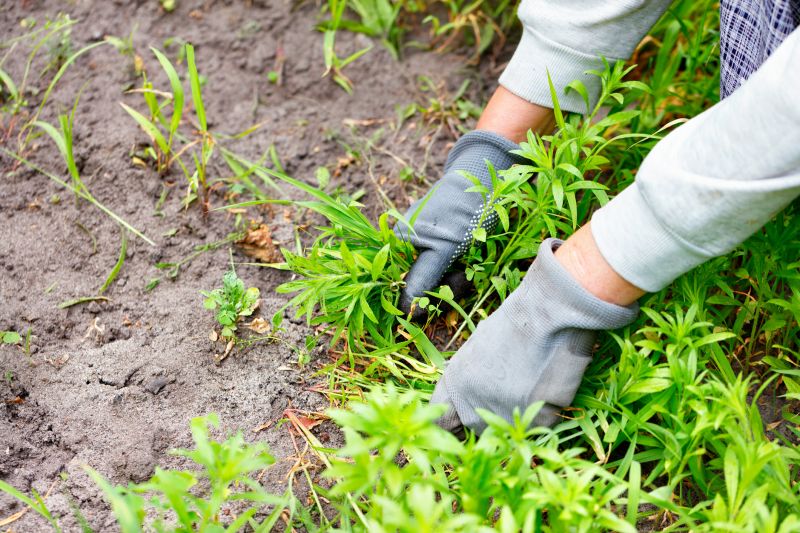
Removing hemlocks can improve safety and prevent property damage caused by falling branches or root issues.
Signs Hemlocks Need Removal
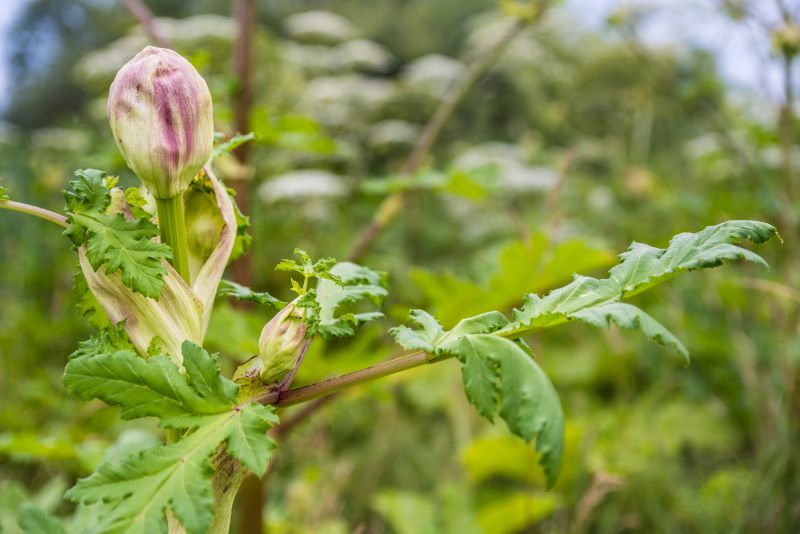
Dead or diseased trees, structural instability, or proximity to structures are common reasons to consider hemlock removal.
Benefits Of Hemlock Removal
Clearing hemlocks can enhance landscape aesthetics, increase safety, and make space for new planting or construction projects.
Hemlock Removal in Philadelphia, PA

Hemlock removal services involve the careful elimination of hemlock trees that may pose risks to property, safety, or landscape aesthetics. These services typically cover projects such as removing hazardous or overgrown hemlocks, clearing space for new landscaping, or managing tree health concerns. Property owners interested in this service should understand the importance of proper removal techniques to prevent damage to surrounding plants or structures, as well as the potential need for stump grinding or disposal of debris after the trees are taken down.
Before requesting hemlock removal, homeowners often want to know about the scope of the work, including whether the project involves only tree cutting or additional steps like stump removal. It’s also helpful to consider the size and location of the trees, as these factors influence the complexity of the removal process. Clarifying these details can ensure the project aligns with property goals and safety considerations.
Many property owners in Philadelphia, PA look into Hemlock Removal for repairs, replacements, upgrades, and appearance-related improvements.
Common Hemlock Removal Jobs
Hemlock removal - eliminates invasive trees to protect native plant life and landscape health.
Hemlock pruning - involves trimming to improve tree health and prevent disease spread.
Hemlock thinning - reduces tree density to promote better airflow and reduce risk of damage.
Hemlock stump removal - clears remaining roots to prevent regrowth and maintain landscape appearance.
Hemlock health assessment - evaluates trees for signs of disease or infestation requiring removal.
Hemlock infestation control - manages pests and pathogens affecting hemlock trees to preserve property value.
Hemlock Removal Questions
Why should I remove a hemlock tree? Removing a hemlock can prevent disease spread, reduce safety risks, and improve overall landscape health.
When is the best time to remove a hemlock? The ideal time for removal is during the dormant season, typically late fall or winter.
Are there alternatives to removing a hemlock? Alternatives include pruning or treating for pests, but removal is often recommended for unhealthy or hazardous trees.
What should I consider before removing a hemlock? It's important to assess the tree's condition, location, and potential impact on the property before proceeding.
Request Hemlock Removal in Philadelphia, PA
Use the quote form on this page to share the basics of your project and request more information for the type of work you need.